On board at a glance
- Step inside to warm up. Outside, the air in February averages -3.2 °C, the coldest month of the year.[1]
- Facilities differ from boat to boat, so ask where the toilet is and where bags can be stowed before you book.
- Some small group fjord trips are limited to 8 participants[2] or 10,[3] which changes how the deck feels.
- Sea water averages 5.2 °C in winter and 10.5 °C in summer,[4] so dress for cold spray on deck.
- The Arctic Fjord Cruise & Fishing Experience starts from US$136 for a 4 - 5 hour trip.[5]
- Top choice Arctic Fjord Fishing Cruise from US$136 Duration4 - 5 hours[5]Rating4.72 from 5,096 reviews[5]GuideLive tour guide: English[5]StyleFjord cruise and fishingCancellationFree cancellation up to 24 hours[5] Check availability
- Arctic Fjord Cruise from US$121 Duration3.5 hours[6]Rating4.68 from 1,959 reviews[6]GuideLive tour guide: English, Norwegian[6]StyleFjord cruise in polar landscapesCancellationFree cancellation up to 24 hours[6] See this tour
- Fishing Sea Safari from US$173 Duration3.5 hours[7]Rating4.85 from 721 reviews[7]GuideLive tour guide: English[7]StyleFishing sea safariCancellationFree cancellation up to 24 hours[7] See this tour
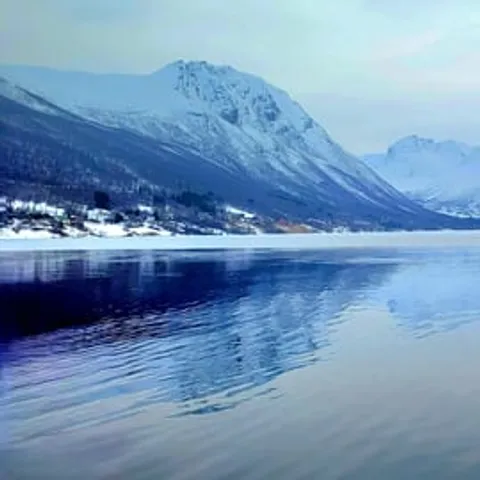
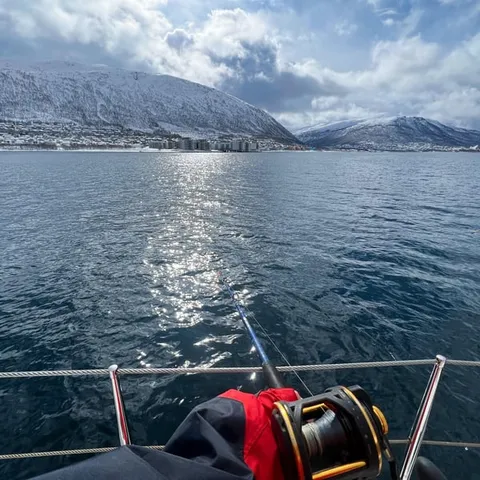
The average water temperature in Tromso in winter reaches 5.2 C, in spring 4.4 C, in summer the average temperature rises to 10.5 C, and in autumn it is 9 C.
Who this cruise suits, and what to check first
Before you board
On board comfort
- Dress in layers you can peel off once you are in the heated saloon
- Hat and gloves, even when the forecast looks mild at the harbour
- Smaller groups mean more space at the rail and a calmer deck
- Keep both hands free and stay behind the rail while the boat moves
Heated cabin: your refuge from the Arctic cold
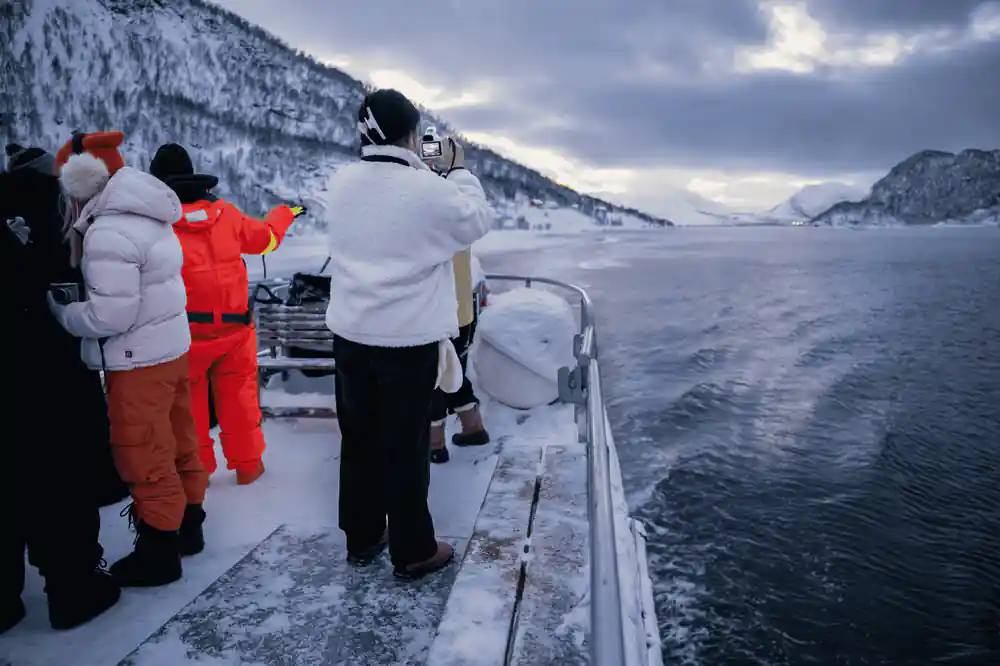
Fjord boats in this part of Norway are built for cold water, and an enclosed saloon with windows is a common feature. On a winter day it becomes the heart of the trip. You step in from the deck with numb fingers, the door closes, and the wind noise drops away. You can keep watching the water through the glass while you thaw out, and the windows rarely fog for long once the heater is running. Outside, the air in February averages -3.2 °C, the coldest month of the year here,[1] and the sea itself sits at around 5.2 °C in winter.[4] That contrast is why a warm cabin matters more than most people expect.
Dress in layers you can peel off. A wool base layer, a fleece and a windproof outer shell work better than one heavy coat, because you will keep moving between two very different temperatures. Take a hat and gloves even if the forecast looks mild, and wool socks if you plan to stand still at the rail. If you feel the cold badly, claim a seat near the saloon door so you can step back inside quickly with your camera still in your hand, and keep a small dry bag for anything you do not want to get damp.
Toilets and facilities on board
The boats used for Tromsø cruises range from open fishing vessels to enclosed cruisers with a proper cabin, so facilities vary from one operator to the next. The sensible move is to ask before you book. Is there a toilet on board, is it below deck, and is it available for the whole trip? A head below deck usually means a short ladder or a few steps, which matters if you have limited mobility or are travelling with young children. One fjord cruise in the local listings is wheelchair accessible,[8] so step-free options do exist if you compare carefully before you pay.
Other things worth checking are whether there is a heated indoor area, whether drinks or snacks are served, and whether there is somewhere dry to leave a wet jacket. On a small boat everything is close together, so a little planning helps. Use the toilet before you leave the harbour if you are unsure, bring one small bag rather than a suitcase, and ask the crew where kit can be stowed. Crews answer these questions all season and will tell you plainly what the boat has and what it does not.
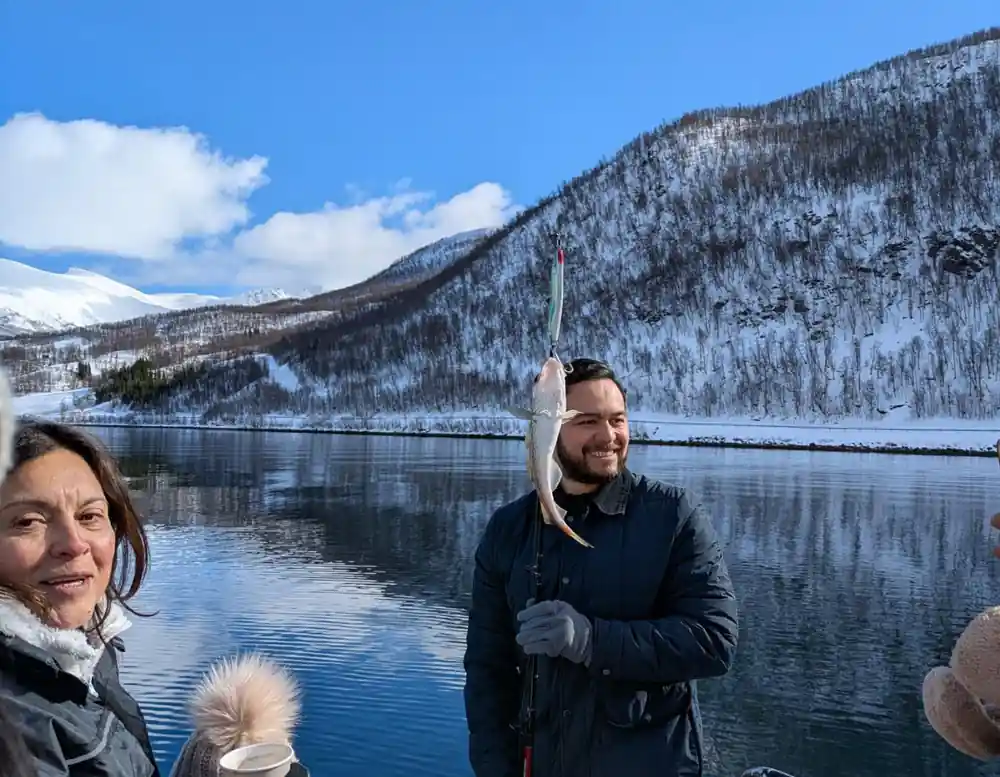
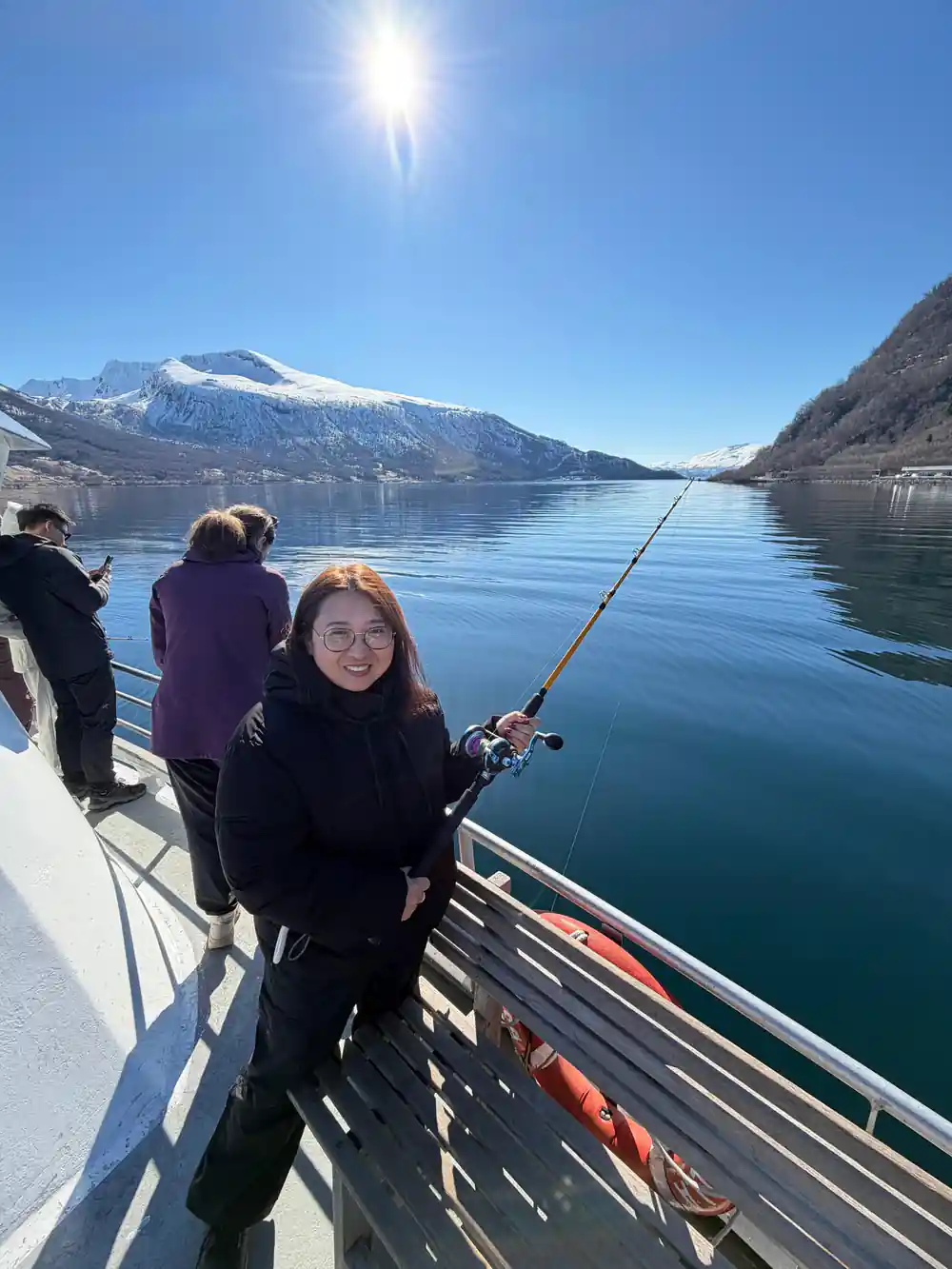
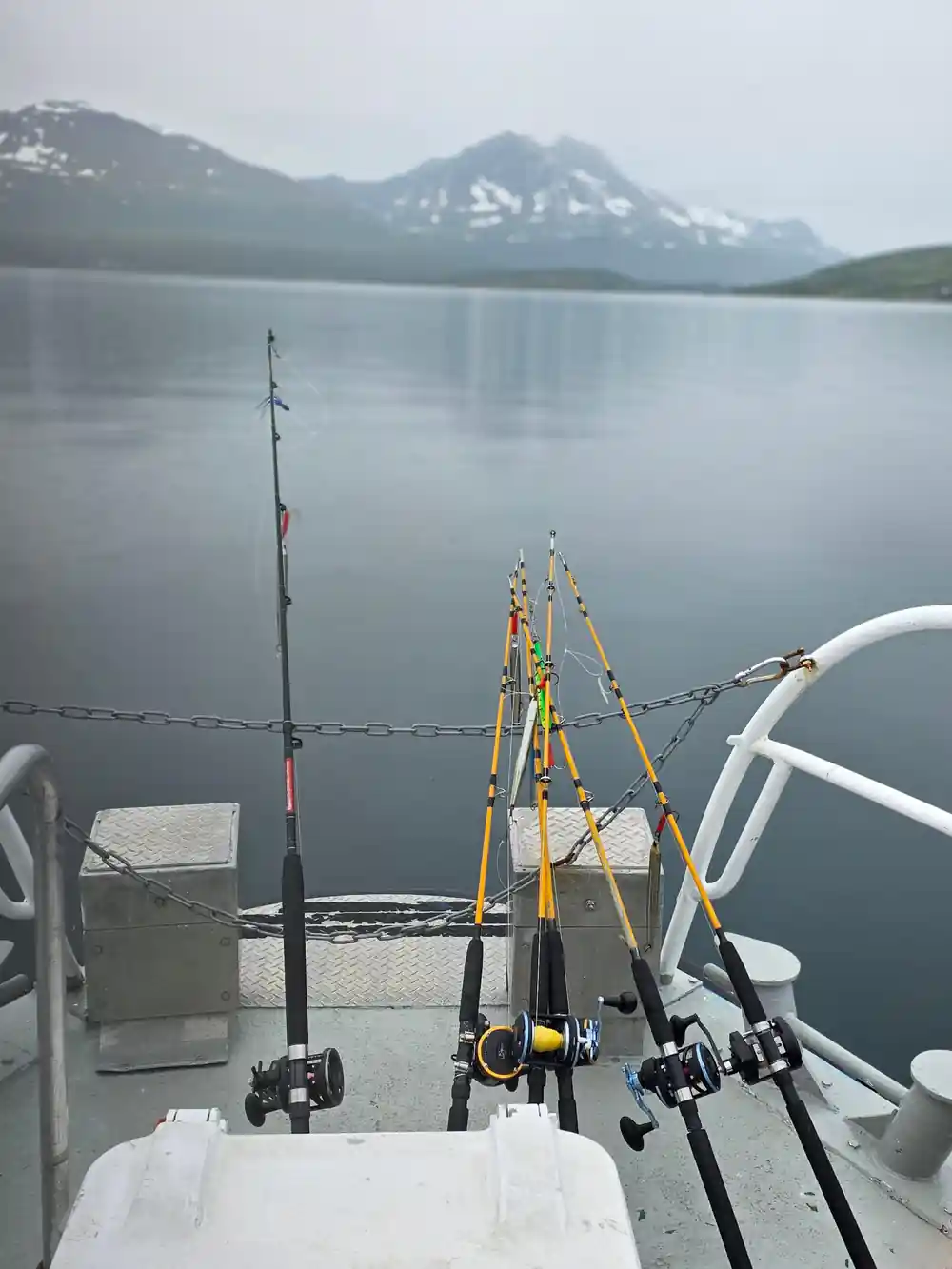
Still water and snow covered peaks on a winter crossing near Tromsø.
Storage for bags, cameras and personal gear
Space on a fjord boat is measured in centimetres rather than square metres. A rucksack that feels light in an airport can be a nuisance on a deck where people are moving around with fishing rods and cameras. Bring one soft bag rather than a hard case, keep it zipped, and ask the crew early where bags go, because the dry spots under benches and in the saloon fill up first. If you are changing accommodation on the same day, leave the big luggage behind and travel with only what you need on the water.
Camera gear needs its own plan. Salt spray and sudden rain are the two things that damage electronics fastest, so a dry bag, a microfibre cloth and a spare battery cover most problems. Keep the lens you use most on the camera and leave the rest packed away. If you plan to fish, keep your phone out of the pockets where wet hands go. A small dry bag inside a normal rucksack is a cheap way to protect a phone, a wallet and a passport on the same trip.
Deck space and how crowded a boat feels
How crowded a boat feels depends far more on group size than on the size of the hull. Some small group fjord trips out of Tromsø are limited to 8 participants,[2] and others to 10 or 15.[3][9] Larger vessels carry more people and give you more room to walk about, but less space at the rail when something interesting appears. If you are travelling as a family or a group of friends and want to stand together, a smaller boat usually makes that easier, and you will get more time with the guide.
A practical trick is to move against the flow. When the boat leaves the harbour, most people head for the bow. Walk to the stern instead, or stay inside for the first stretch and step out when others come in. On a boat with a warm cabin the deck empties quickly once the wind picks up, and the rail you wanted is suddenly free. If a particular view matters to you, ask the crew which side the landmarks will be on and position yourself early rather than shuffling past people later.
from US$136
The Arctic Fjord Cruise & Fishing Experience runs 4 - 5 hours with a live tour guide in English.[5]
Sea motion and fjord conditions
Fjords are sheltered, but sheltered is not the same as flat. The water inside the islands is usually calmer than the open sea, yet wind funnels down the valleys and can push short, sharp chop across the surface without much warning. The sea around Tromsø averages about 5.2 °C in winter and rises to about 10.5 °C in summer.[4] Cold water like that shapes how you plan: a fall overboard is serious, so keep both hands free on deck, stay behind the rail, and follow whatever the crew tells you about moving around.
Newer boats are quieter underfoot. Electric and hybrid propulsion systems for vessels, described as whisper-quiet, can cut fuel consumption, emissions and costs by up to 90 percent.[10] If you are prone to seasickness, sit low and near the middle of the boat, look at the horizon instead of your phone, and take fresh air on deck if you can bear it. Ginger sweets and wristbands help some people and do nothing for others. An arctic cruise on sheltered water is usually a gentler ride than first timers expect.
Phone charging and connectivity
Signal in the fjords comes and goes. Close to Tromsø and the main islands you will often have a phone signal, but once the boat turns into a narrow arm of water between steep mountains, coverage drops away and may not return until you are back in open water. Download maps, tickets and music before you leave the harbour, and tell anyone who worries about you roughly when you expect to be back. If your phone is also your camera, decide early how you will keep it charged.
A power bank is the simplest answer, and it takes up almost no space or weight. Some boats have sockets in the saloon, but they are shared and not guaranteed, so do not plan your day around finding one. In flight mode a phone lasts far longer, which matters when the scenery is the whole point. A spare battery or memory card removes the worry of running out of storage in the middle of a good view.
Best spots to stand, sit and watch
The view changes with every bend in the fjord, and the best place on the boat changes with it. The stern gives you a wide, stable platform and a wake to photograph. The bow gives you the first look ahead but takes more spray and more movement. Saloon windows are the warmest option and often the best place for a long lens on a wet day. One local fjord cruise lasts 3.5 hours,[6] which leaves room to try more than one spot before the harbour appears again.
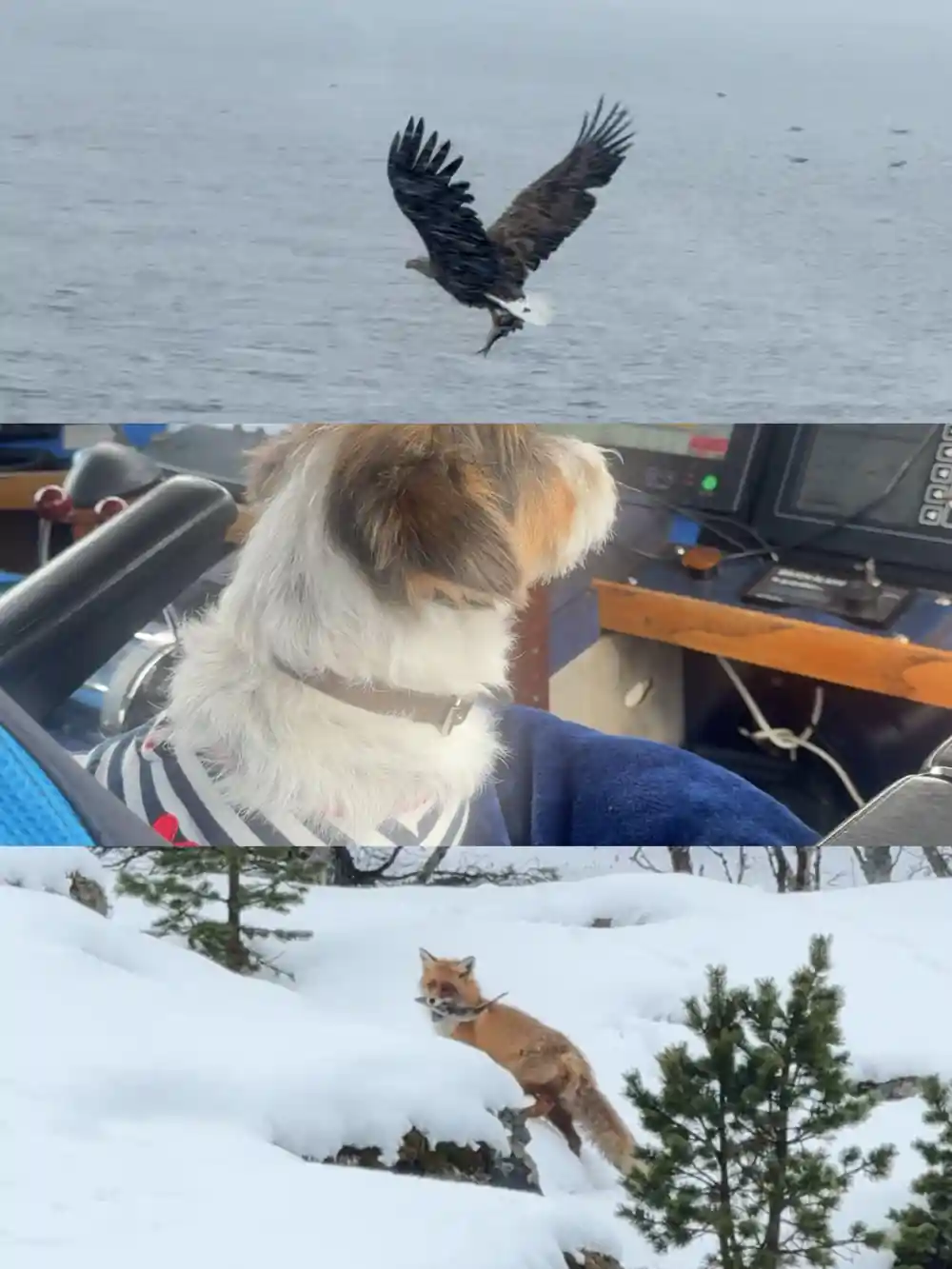
Wildlife rewards a quiet, patient spot at the rail. Norway holds 2,500 breeding pairs of white-tailed sea eagles, the largest breeding population in Europe,[11] and the fjords around Tromsø also hold coastal cod, saithe, pollack, haddock, herring, mackerel and sprat.[12] Look up at the ridge line for Tromsdalstinden, the big mountain across the bridge from downtown Tromsø, whose summit reaches 1,238 m.[13] Binoculars and a steady hand on the rail will show you more than a long lens on its own.
Time on the water: how long local fjord cruises run
Adult from-prices for fjord trips out of Tromsø
Adult from-prices in US dollars from these listings:[5][6][7][14]
When to book your time on the fjord
Settling in on board
Board early
Arrive a few minutes ahead, find the saloon and claim a spot for your bag before the rail fills up.
Layers on, layers off
Start warm and peel off inside. You will move between a heated cabin and a cold deck all trip.
Ask the crew
Find out where the toilet is, where bags are stowed and which side the best views come up on.
Pick a watch spot
Try the stern for stability and the bow for the first look ahead, then move as the fjord opens up.
Charge and download
Carry a power bank and download maps and tickets before the signal drops between the mountains.
Ready for a few hours on the fjord?
from US$137Reserve now & pay later