At a glance
- A thin base layer, a warm mid layer and a windproof shell beat one thick jumper, and every piece can come off when you step into the warm cabin.
- Sea water around Tromsø averages 5.2 C in winter and 10.5 C in summer[1]. February air averages -3.2 °C[2].
- Operators in Tromsø often lend padded suits and boots in a range of sizes. Ask what is available when you book, and bring your own thick socks either way.
- The Arctic Fjord Cruise & Fishing Experience runs 4-5 hours with a live English speaking guide and stops at Ryøya and Ramfjorden.[3]
- From US$136, with free cancellation up to 24 hours in advance and the option to reserve now and pay later.[3]
- Top choice Fjord Cruise & Fishing from US$136 Duration4-5 hours[3]Live guideEnglish[3]Rating4.72 from 5,096 reviews[3]CancellationUp to 24 hours ahead[3] Check availability
- Arctic Fjord Cruise from US$121 Duration3.5 hours[4]Live guideEnglish, Norwegian[4]Rating4.68 from 1,959 reviews[4]CancellationUp to 24 hours ahead[4] See this tour
- Sommarøy Fjord Expedition from US$55 Duration4.5 hours[5]Live guideEnglish, Spanish[5]Rating4.73 from 5,005 reviews[5]CancellationUp to 24 hours ahead[5] See this tour
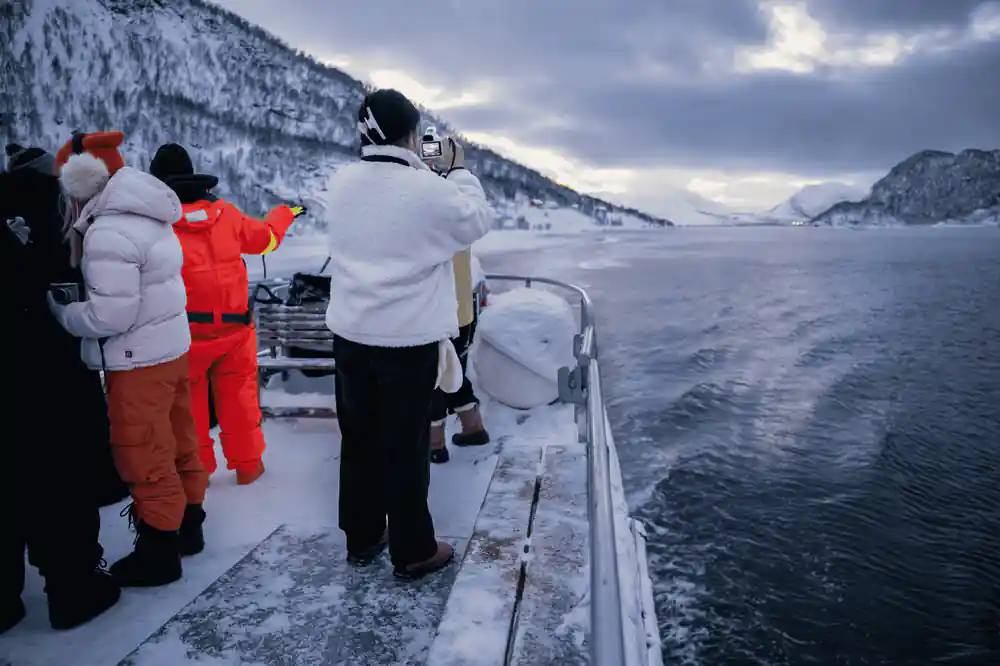
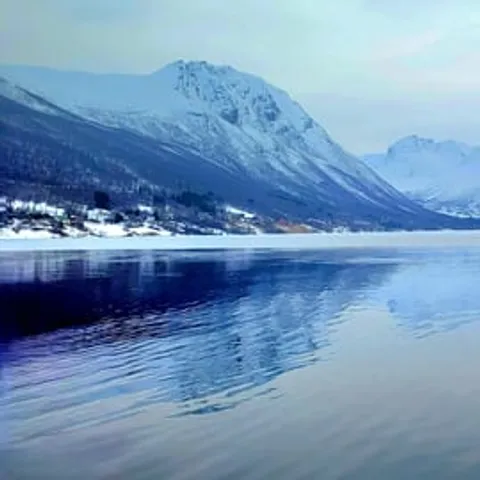
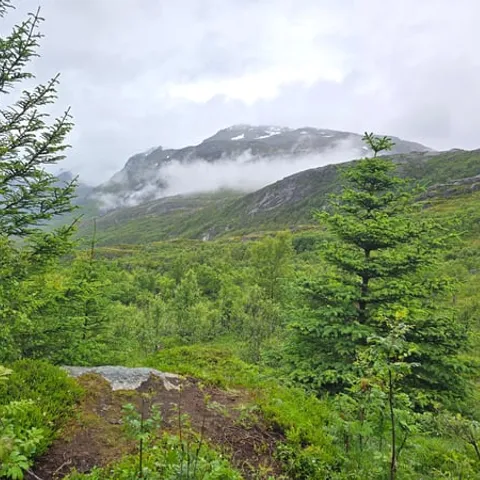
The average water temperature in Tromso in winter reaches 5.2 C, in spring 4.4 C, in summer the average temperature rises to 10.5 C, and in autumn it is 9 C.
Verdict: dress for the deck and enjoy the water
Wear and pack
- Base layer in merino or synthetic, never cotton
- Fleece or light down mid layer and a windproof shell
- Hat that covers the ears, plus two pairs of gloves
- Insulated boots with a deep tread and thick socks
On the day
- Arrive early enough to try on a borrowed suit and boots
- Sea water around Tromsø averages 5.2 C in winter[1]
- Tell the crew early if you feel unwell on the water
- Check your meeting point and starting time before you travel
Thermal Suits: What Is Provided and How They Fit
A fjord cruise from Tromsø runs for 4-5 hours on the water[3], moving between sheltered sounds and open stretches where the wind arrives with nothing in front of it. The first question at the dock is usually the thermal suit, the padded outer layer that turns a cold deck into a comfortable place to stand. Padded suits feel bulky on land and reassuring once the boat is moving.
Ask the operator before you book whether a suit is part of the kit, which sizes are on board, and whether boots come with it. If a suit is offered, pull it on over your own mid layers rather than instead of them, then check that you can bend and reach the rail comfortably. A suit that grips at the knees is worse on a moving deck than one that looks slightly big.
Wearing the suit well matters as much as wearing it. Zip up before you step outside. A stiff suit is awkward to fasten in a rising wind, and cold fingers do not help. Open the front when you go inside for a hot drink, then close it again before you head back out to the rail.
Base and Mid Layer System for Arctic Water
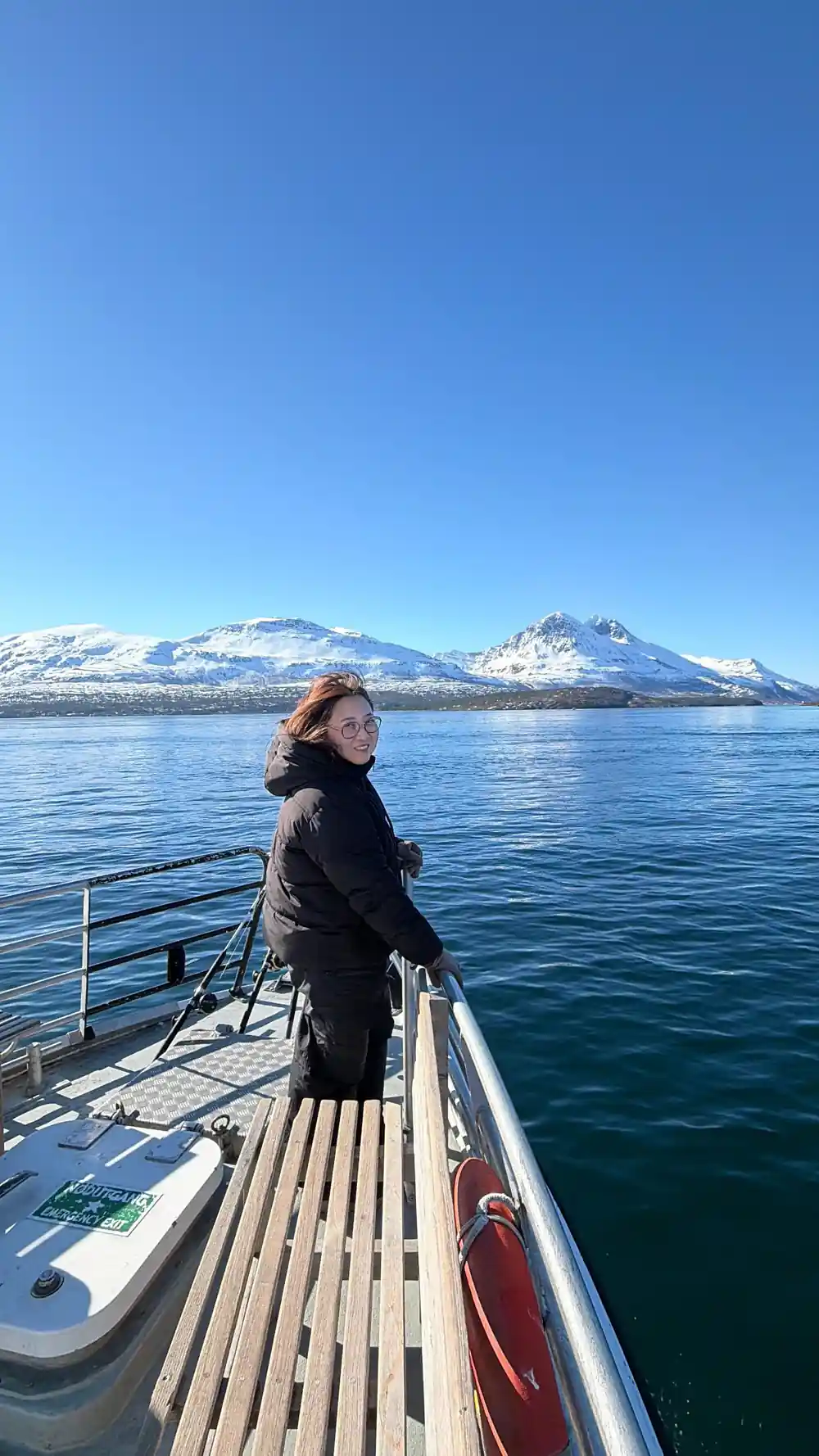
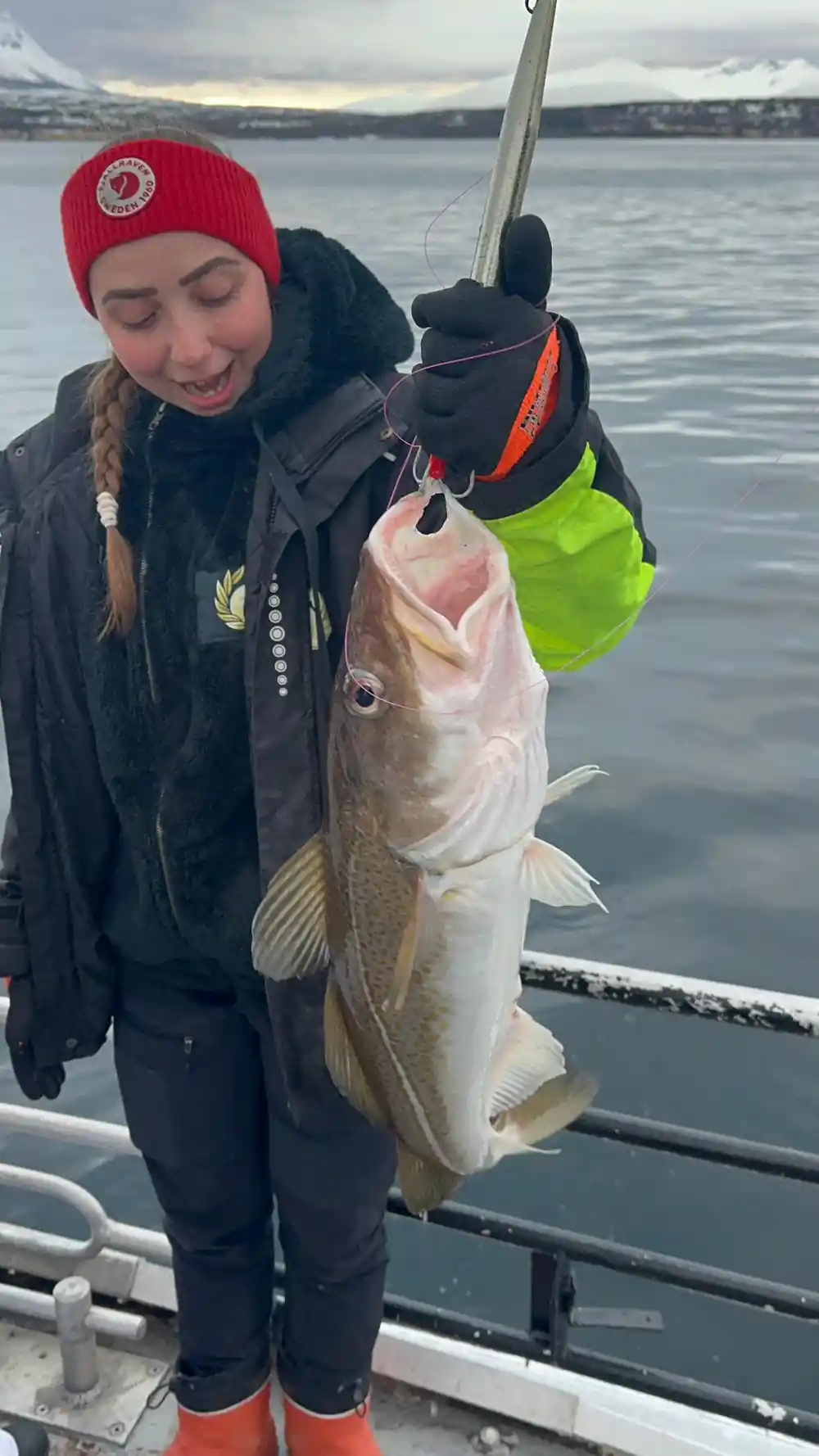
Under the suit, dress the way you would for a cold day on a hill: a thin base layer that moves sweat away, one or two warm mid layers, and a windproof shell if you are not in a borrowed suit. A fleece or light down jacket over the base layer gives you something to take off when you step inside. Leave cotton at home. It holds moisture and turns cold against the skin.
Average sea water temperature around Tromsø is 5.2 C in winter and 10.5 C in summer[1], and spray over the rail carries a real chill even on a bright day. February air averages -3.2 °C, the coldest month of the year[2]. Both numbers are worth remembering when you pack.
Layers you can shed are the whole point. The cabin is warm, the deck is not, and you will move between them several times. Three thin layers beat one thick jumper, and the fishing attire men bring from home usually needs a warm layer underneath, however technical the jacket. Pack a spare layer in a dry bag and keep a second pair of gloves in a pocket.
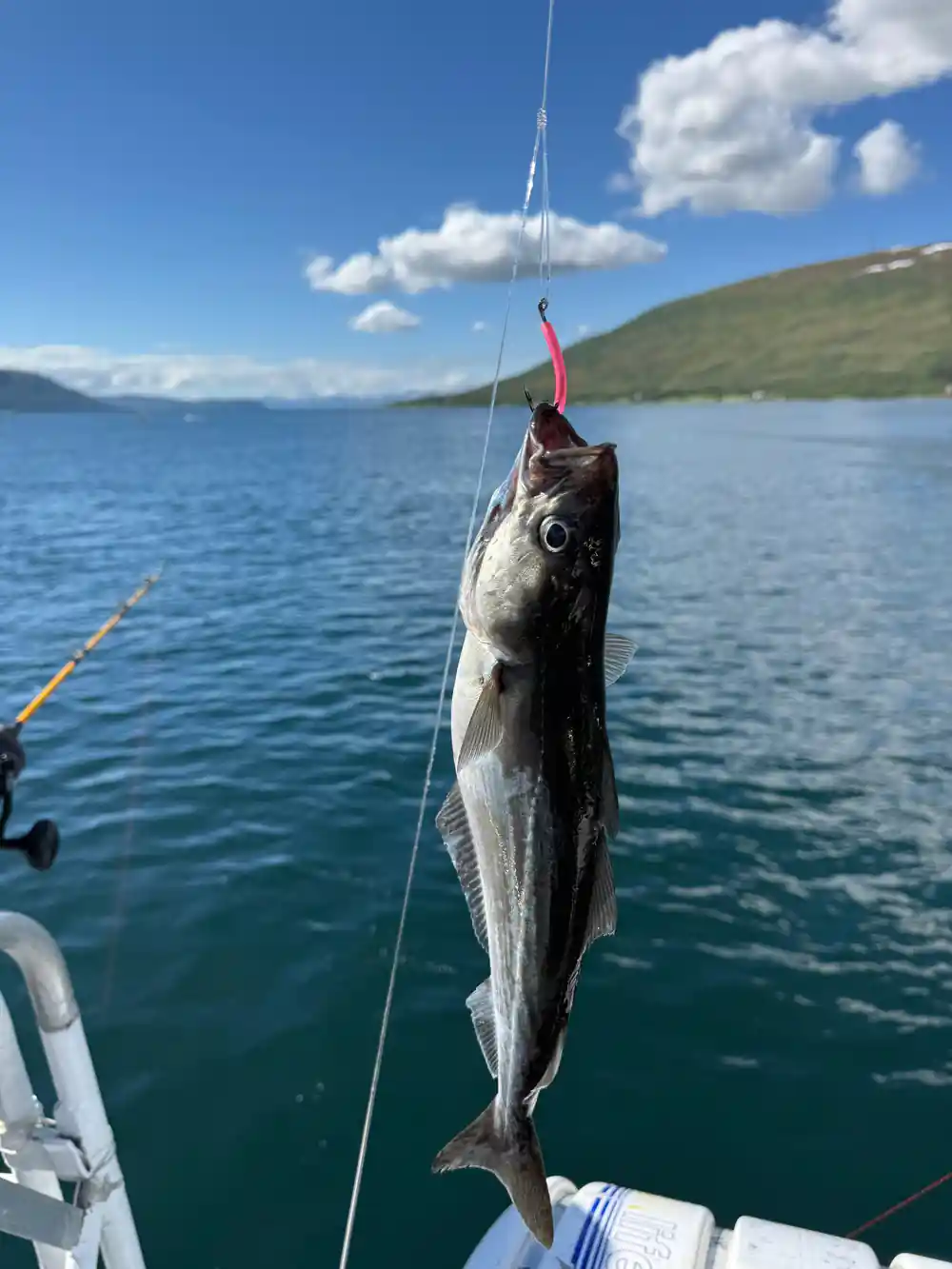
Deck time on a Tromsø fjord: layers on, gloves in a pocket, eyes on the water.
Footwear for a Wet, Slippery Deck
Deck shoes need grip on wet metal and warmth when you stand still. Insulated rubber boots with a deep tread are the classic choice, and operators often keep a range of sizes on board to borrow. Ask about sizes when you book. If you bring your own, note that hard leather soles slide on wet aluminium.
Choose a soft, grippy sole and leave room for a thick sock plus space to move your toes. Socks matter more than most people expect: a thin liner under a thick woollen pair keeps feet drier and warmer than one heavy sock, and tight elastic at the top slows the blood where you need it most.
On deck, walk with short steps and keep one hand free for the rail, especially on the outside walkway and when the boat is moving between stops. Wet aluminium and wet wood behave differently underfoot, and a deck that was dry at the harbour can be slick by the time you come back. Leave the camera bag on a bench rather than carrying it in both hands.
Protecting Your Hands, Head and Neck
Your hands will be the first thing to feel the cold. You will take gloves off constantly to work a reel, unlock a phone or hold a cup. Bring two pairs: thin liners for fiddly work and a heavier waterproof pair for standing at the rail. Mittens are warmer than gloves when you do not need your fingers.
A wool or fleece hat that covers the ears makes a real difference, and a buff or thin neck gaiter seals the gap between collar and hat. Pull it up over your nose when the boat turns into the wind, and check that a hood does not block your view or the guide's voice.
Sunglasses and lip balm belong in the same pocket. A low winter sun over snow and water is bright, and glare off the fjord is strong even under cloud. If you wear glasses, add a cord so they stay on when you lean over the rail, and keep a microfibre cloth in a zip pocket for spray from the bow.
from US$136
The Arctic Fjord Cruise & Fishing Experience runs 4-5 hours and stops at Ryøya and Ramfjorden.[3]
Heated Indoor Cabin and Onboard Facilities
A fjord boat usually has a warm indoor cabin with seating, and on a cold day it becomes the social centre of the trip. Use it as a warming station rather than a hiding place: short spells on deck, a few minutes inside with a hot drink, then out again. You will see more of the fjord than if you try to tough out the whole trip in the open.
The 4-5 hours on the water[3] pass quickly when you plan around the cabin. Take your outer layer off when you go in and hang it where it can drip, keep your hat and gloves with you, and claim a seat near a window so you can watch the shoreline without standing up.
Food and drink arrangements vary by operator. Check what is on board before you travel and bring a flask if you are unsure. A warm drink in a vacuum flask stays hot for hours, and a small snack is welcome when the fishing is good and nobody wants to leave the rail.
Keeping Electronics Powered in Sub-Zero Conditions
Cold drains batteries quickly, and a phone that reads half charge in a warm pocket can shut down on a cold deck. Keep devices in an inside pocket close to your body, and carry a power bank in the same place, where it stays warm enough to work. A small dry bag or zip pouch keeps spray and snow away from ports and charging sockets.
Condensation is the other risk. Moving from a cold deck into a warm cabin can fog a lens and leave moisture inside a camera body. Give the camera a few minutes in a sealed bag before you open it inside, and wipe the front element with a cloth rather than your sleeve. With a phone, a waterproof case handles spray and cold fingers at once.
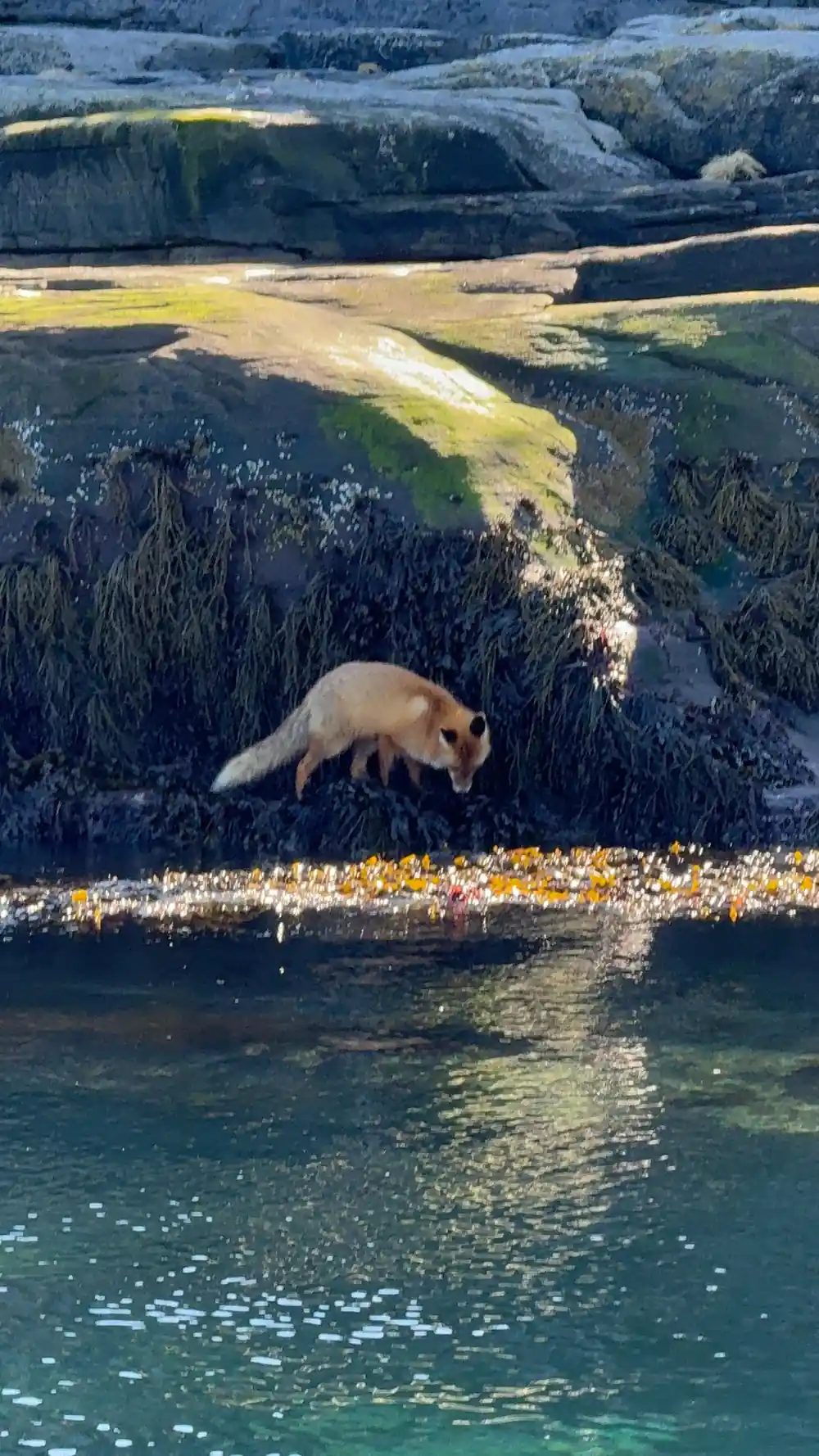
The route stops at Ryøya and Ramfjorden[3], and both give you something to point a camera at: bare rock, working boats and open water. Norway holds the largest breeding population of white-tailed sea eagles in Europe, at 2,500 breeding pairs[6]. Bring a spare memory card and keep it somewhere dry.
Managing Seasickness Before and During the Cruise
Fjord water around Tromsø is usually calmer than the open sea, with islands and headlands breaking the swell. A boat that holds position while people fish will still roll, and that slow repeated motion catches some stomachs more than a steady passage does. If you are prone to motion sickness, plan ahead rather than waiting to see how you feel.
Stay outside and look at the horizon rather than down at a phone, keep warm, eat something plain before you go and skip a heavy, greasy meal. Sitting low and near the middle of the boat, away from exhaust smells, is usually more comfortable than the upper deck. If you start to feel queasy, move into fresh air early.
Take any medication you use well before departure, in the dose and timing a pharmacist or doctor recommends, and mention it to the crew if you have a condition that affects you on the water. Ginger sweets and acupressure bands suit some people and do nothing for others. Fresh air, a clear view and a warm body are the three things you can always control.
From prices for Tromsø fjord and fishing tours
US dollar from prices per person on GetYourGuide listings for these Tromsø tours.[3][4][5][7]
Fishing and fjord cruises: from prices per person
US dollar from prices per person on GetYourGuide listings for these Tromsø tours.[3][7][8][9]
When to go, and what the weather does
Dressing for a fjord day
Start with a dry base layer
Merino or synthetic next to the skin rather than cotton. A dry base layer is what makes the rest of the system work.
Add one or two warm mid layers
A fleece or light down jacket you can take off in the cabin. Three thin layers beat one thick jumper.
Pull on the outer layer
A windproof shell, or a padded thermal suit if one is lent to you. Check that the cuffs close over your gloves.
Boots, socks and grip
Insulated boots with a deep tread, thick socks with a thin liner underneath, and room to move your toes.
Hat, gloves and neck
A hat that covers your ears, two pairs of gloves and a buff for the gap at your collar.
Pack the small things
Lip balm, sunglasses, a flask, a dry bag for the phone and a power bank kept in an inside pocket.
Ready to see the fjord from the water?
from US$137Reserve now & pay later